Articles
April 01, 2026
Inside the new ServSafe Manager
Updated coursework features new safety and regulatory changes and expands on solving for prevention.
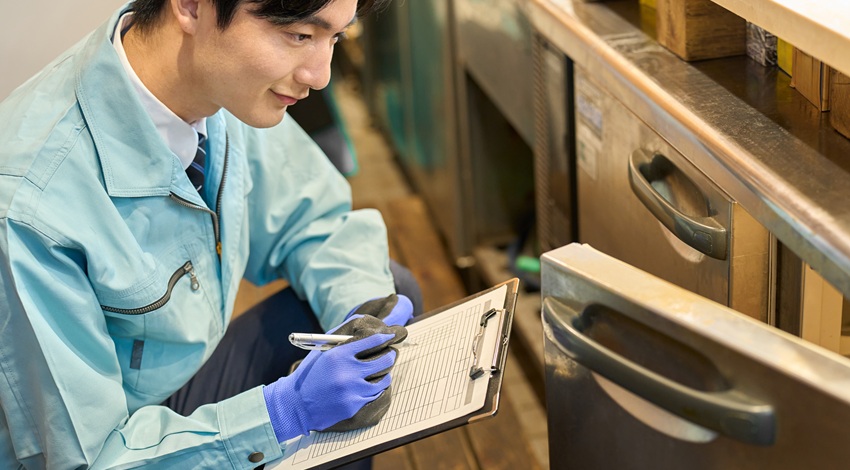
One new section in this edition explains the inspection process in detail and what managers need to know to prepare.
The restaurant and hospitality industry is constantly evolving, and so are the rules that guide it.
For managers using the National Restaurant Association’s ServSafe Manager 7th Edition Revised, the basics from the 2022 FDA Food Code may be ingrained, but, as regulations change, training methods do too.
Enter the ServSafe Manager 9th Edition, a brand-new update that fully represents the requirements found in the supplement to the 2022 FDA Food Code. The new edition moves beyond just knowing the rules and emphasizes managing risks, helping employees shift from reacting to problems to preventing them. It also explores what to do to prepare for health inspections.
Furthermore, ServSafe now uses the U.S. Food & Drug Administration’s "Employees FIRST" initiative, instead of the old ALERT tool, to address new risks of intentional contamination. This program helps frontline staff stay alert by teaching them to follow procedures, check work areas, notice anything unusual, keep ingredients safe, and report anything suspicious to management.
A new section explains the inspection process in detail. Inspectors may arrive without warning, and entry must be allowed. In some areas, inspection reports must be posted for the public. The course also gives extra guidance on doing self-inspections that match what regulators expect.
To help staff members stay ready for audits, the new course explains new FDA updates on operations and sanitation. It shows the difference between sanitizing, which lowers germs to safe levels, and disinfecting, which goes further to kill viruses and bacteria. The training also explains when to use disinfectants, and when using test kits to check disinfectant strength as manufacturers recommend is required. Other updates include the text now calling those products "hand antiseptics" instead of "hand sanitizers” and shares that they shouldn’t be used as a replacement for handwashing.
It also highlights that plan reviews must be submitted before starting new construction or remodeling, and updates equipment standards, noting that groups certifying sanitary equipment design must be accredited by the American National Standards Institute (ANSI) or National Accreditation Board (ANAB).
Unlike some training programs that just help people pass a test, the new ServSafe Manager uses modern teaching methods that fit how adults learn best. It uses activities, videos, real-life examples, and practical situations to make learning interactive. This approach assists your team in remembering and applying what they learn.
Going "beyond compliant" means providing tools to manage risks before they become problems. This new edition offers practical training designed for today’s world.
For managers using the National Restaurant Association’s ServSafe Manager 7th Edition Revised, the basics from the 2022 FDA Food Code may be ingrained, but, as regulations change, training methods do too.
Enter the ServSafe Manager 9th Edition, a brand-new update that fully represents the requirements found in the supplement to the 2022 FDA Food Code. The new edition moves beyond just knowing the rules and emphasizes managing risks, helping employees shift from reacting to problems to preventing them. It also explores what to do to prepare for health inspections.
The big shift to proactive safety measures
One of the most significant changes from the previous edition is the introduction of a chapter that’s entirely focused on Food Safety Management Systems (FSMS), Active Managerial Control (AMC), and Food Safety Culture (FSC). Previous editions have touched on those concepts, but the new ServSafe Manager places them front and center.- Food Safety Management Systems: The new course explains that every establishment must have a written FSMS that’s developed, maintained, and used. It gives practical steps for building this system, like creating standard operating procedures, training plans, and keeping records. It also makes clear that the FSMS must be in place at all times and available to regulators if they ask for it.
- Active Managerial Control: AMC is the engine that drives your FSMS. The new course expands on the continuous 6-step cycle of AMC—finding risks, monitoring critical activities, taking corrective action, overseeing staff, training, and re-evaluation. It teaches managers how to move from merely fixing a problem after a violation occurs to anticipating and preventing it entirely.
- Food Safety Culture: A new section points out that policies work best when supported by a strong culture. The training now shows leaders how to set a good example, explain why food safety matters, reward positive actions, and give staff the tools they need to make food safety a natural part of their work.
Furthermore, ServSafe now uses the U.S. Food & Drug Administration’s "Employees FIRST" initiative, instead of the old ALERT tool, to address new risks of intentional contamination. This program helps frontline staff stay alert by teaching them to follow procedures, check work areas, notice anything unusual, keep ingredients safe, and report anything suspicious to management.
A new section explains the inspection process in detail. Inspectors may arrive without warning, and entry must be allowed. In some areas, inspection reports must be posted for the public. The course also gives extra guidance on doing self-inspections that match what regulators expect.
To help staff members stay ready for audits, the new course explains new FDA updates on operations and sanitation. It shows the difference between sanitizing, which lowers germs to safe levels, and disinfecting, which goes further to kill viruses and bacteria. The training also explains when to use disinfectants, and when using test kits to check disinfectant strength as manufacturers recommend is required. Other updates include the text now calling those products "hand antiseptics" instead of "hand sanitizers” and shares that they shouldn’t be used as a replacement for handwashing.
It also highlights that plan reviews must be submitted before starting new construction or remodeling, and updates equipment standards, noting that groups certifying sanitary equipment design must be accredited by the American National Standards Institute (ANSI) or National Accreditation Board (ANAB).
Unlike some training programs that just help people pass a test, the new ServSafe Manager uses modern teaching methods that fit how adults learn best. It uses activities, videos, real-life examples, and practical situations to make learning interactive. This approach assists your team in remembering and applying what they learn.
Going "beyond compliant" means providing tools to manage risks before they become problems. This new edition offers practical training designed for today’s world.
Sign up for our Newsletter
The latest news from the National Restaurant Association, published every other Thursday
By clicking Submit I agree to receive email communications from the National Restaurant Association and agree to our Privacy Policy(Opens in a new window).